
Number & Knot Correspondences
Correspondences / Number
Number in the Western magical tradition is not arbitrary. The numbers from one through thirteen each carry a specific set of associations built from Pythagorean numerology, Kabbalistic gematria, Christian symbolism, and European folk practice. These systems don't agree in every particular, but they converge enough to produce a working set of associations that has been used consistently across traditions.
For knot magic specifically, the count of knots in a cord determines what force is being invoked and how many times. A three-knot cord is brief and direct; a nine-knot cord is the full expression of the form. The sequence in which knots are tied also carries meaning: the non-sequential pattern of the nine-knot spell (see The Nine-Knot Tradition) distributes the knots geometrically rather than sequentially, building a pattern rather than a line.
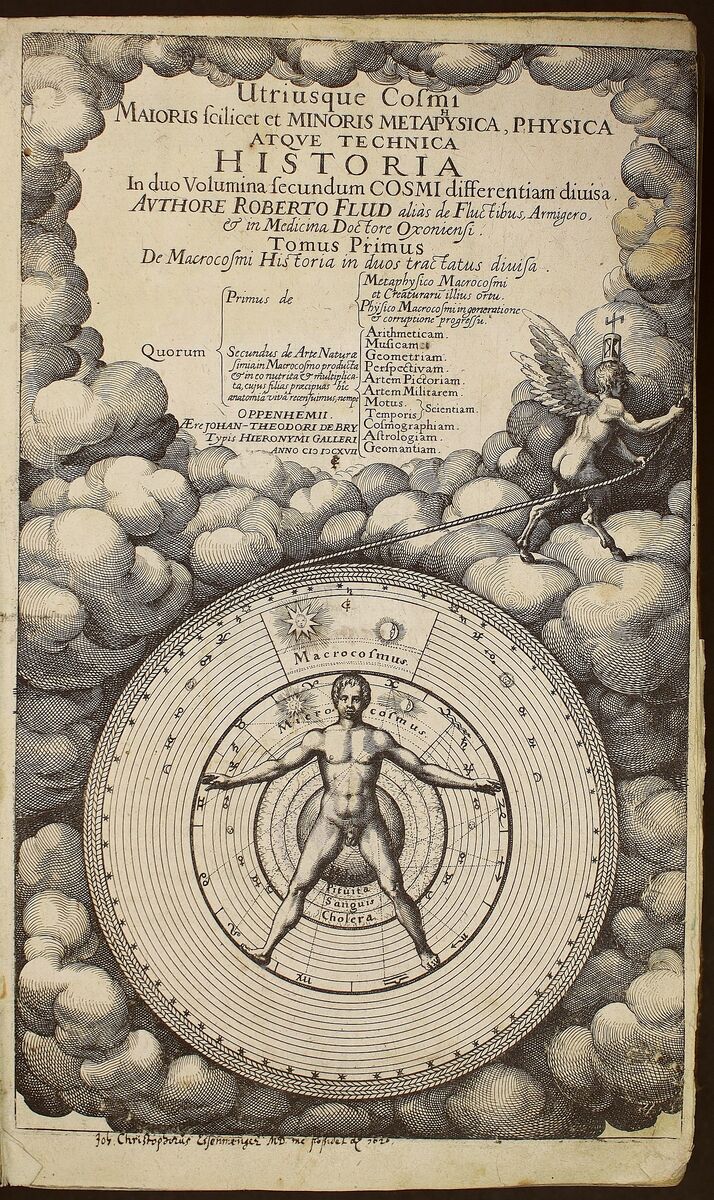
Number Correspondence Chart
| Number | Magical Meaning | Planetary/Symbolic Association | Typical Use |
|---|---|---|---|
| 1 | Unity, new beginning, the first step, the self | Sun, the Monad | Beginning a working; Ostara |
| 2 | Duality, partnership, balance, reflection | Moon, polarity | Binding two things together; balance workings |
| 3 | Trinity, completion, manifestation, the triple goddess | Saturn (some traditions), general | Simplest effective working; quick manifestation; Imbolc |
| 4 | Stability, the material world, the four elements, the four directions | Earth, Jupiter | Grounding; completion at the physical level; threshold protection |
| 5 | Humanity, the senses, change, the pentagram | Mercury, Mars | Love and fertility (Beltane); change workings; the five-pointed star |
| 6 | Harmony, Venus, love, the hexagram | Venus | Love and beauty work; balance; Mabon's equilibrium |
| 7 | Completion of a cycle, the planets, the days of the week, luck | Moon, planetary spheres | Protection; luck; seven-day workings; Lughnasadh |
| 8 | Infinity, the wheel, cosmic balance, regeneration | Saturn, the Wheel | The Wheel of the Year (eight sabbats); Yule; completion of a long cycle |
| 9 | Three times three, amplified power, the fullest expression | Moon (9 lunar months), the Muses | The complete cord spell; maximum manifestation; Litha |
| 10 | Completion of a decade, Kabbalah's Tree of Life (Malkuth) | Earth, completion | Return to origin; end of one cycle, beginning of next |
| 11 | The transgressive number, beyond the ten, magic itself | Uranus (some traditions) | Breaking patterns; unexpected outcomes |
| 12 | The year, the zodiac, cosmic order | Solar, Jupiter | Annual cycles; long-term workings |
| 13 | Death and rebirth, the lunar cycle (13 moons), the coven | Saturn, Pluto, Moon | Samhain; transformation; the witches' circle; the threshold |
The Significance of Traditional Knot Counts
Three knots is the most common working knot count and the one with the widest cross-cultural documentation. Three is the number of the Trinity in Christian tradition, of the triple goddess (Maiden, Mother, Crone), of the Norns, of the Fates. Three-knot spells appear in folk records from the Baltic to the British Isles. Three is the minimum for a complete working.
Seven knots appears in some folk traditions as the count appropriate for healing and protection that must persist through the week. Seven corresponds to the seven classical planets and the seven days of the week, each ruled by a planet. A seven-knot cord working on protection begun on Saturday (Saturn's day) and tied through seven knots is engaging the full planetary week in its making. See Planetary Hours & Days.
Nine knots is the classical number of the full cord spell. Nine is three times three, amplified manifestation, the fullest expression of the three-count. The nine-knot spell documented in British and Scottish folk magic tradition is the most elaborated form of the working, with specific non-sequential placement of each knot and traditional verse. For the full working, see The Nine-Knot Tradition.
Thirteen knots is the threshold count: death and rebirth, the coven, the number beyond twelve that steps outside the cosmic order. Thirteen-knot cord workings are appropriate for Samhain, for major life transitions, for workings that consciously cross a threshold. The association of thirteen with ill luck in popular culture is a shadow of this older sense: thirteen is the number that exceeds the order of twelve, that stands at the edge of the known system.
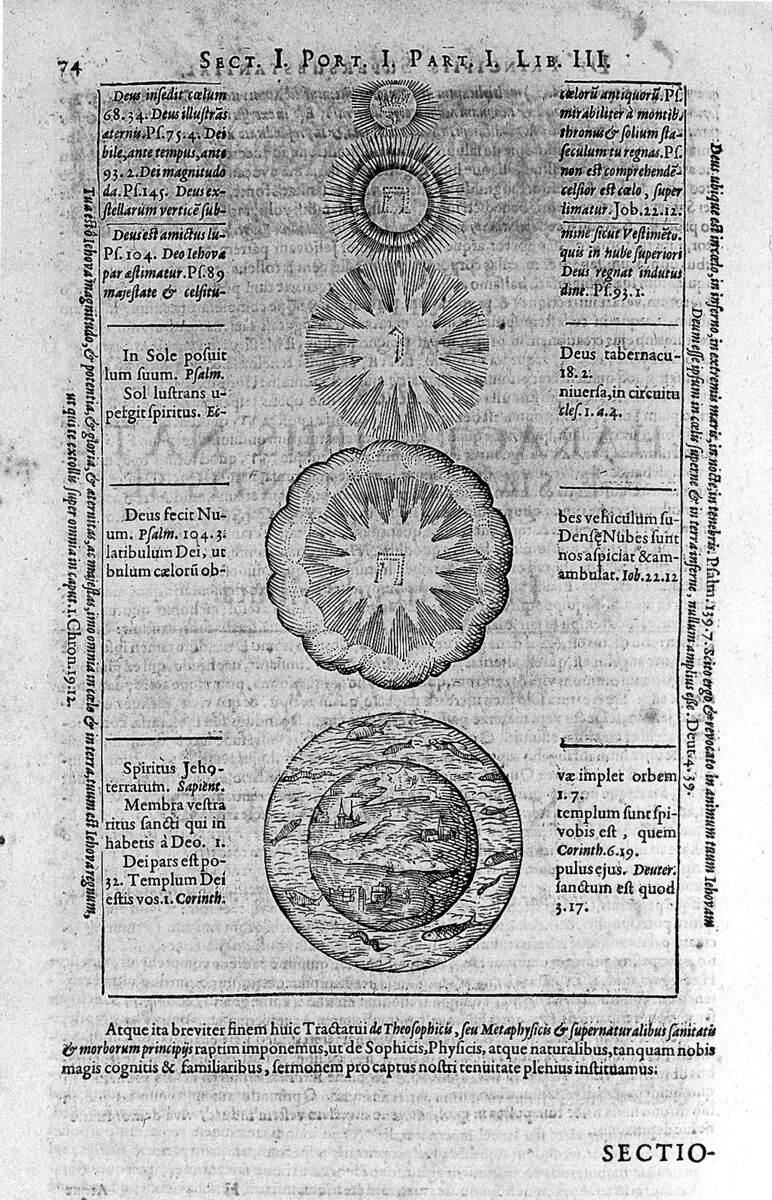
Numerology in Textile Pattern
Beyond knot magic, number appears in pattern construction. Historical magical textiles often encoded significant numbers in their patterns: a specific count of motifs, a pattern with seven rows, a border worked with nine repeating elements. In traditional Swedish and Norwegian woven folk textiles, pattern counts were sometimes connected to protective significance, though this connection is not always possible to recover with certainty.
If you work with intentional patterning, number is one of the most direct tools available. Knit a border of seven rows for protection. Work a colorwork motif in groups of three for manifestation. Let the count be deliberate rather than incidental.
A Note on Even Versus Odd
In many folk traditions, odd numbers are the numbers of magic. Even numbers divide cleanly; they can be balanced, opposed, settled. Odd numbers resist division; they have a remainder; they imply continuation. Three, seven, nine, thirteen: these are the working numbers because they cannot be halved into completion. Whether you find this mathematically compelling or simply useful as a working rule, it's a consistent principle across many traditions.
Continue reading: Planetary Hours & Days · The Nine-Knot Tradition · The Witch's Ladder