
Litha
The Wheel / June 21
The summer solstice is the year's longest day, the point of maximum sun. Everything the light has been building toward since Yule is here. The arc pauses at its highest point, and then begins the long return south. This is what Litha is: not a beginning or an end, but an apex, held briefly before the descent.
The name Litha comes from Bede's 8th-century De Temporum Ratione, where he records the Anglo-Saxon names for the months surrounding the solstice: liða referred to the months of June and July, and may mean something like "gentle" or "navigable," referring to the mildness of the weather and the calm seas that made summer travel possible. The modern use of Litha as a name for the midsummer sabbat comes through the 20th-century revival of pagan practice; the historical evidence for a specific Anglo-Saxon midsummer festival called Litha is not strong.
What is extremely strong and broadly attested is the pan-European practice of midsummer fires. The Feast of St. John on June 24 (the feast of John the Baptist, four days after the solstice) preserved the midsummer bonfire tradition across Catholic Europe with extraordinary tenacity. In Sweden, the Midsommar celebration is one of the most significant holidays in the cultural calendar. In Wales, the midsummer fires on the hilltops were recorded as late as the 19th century. The Irish tinte cnámh (bone fires, possibly the origin of "bonfire") were lit at crossroads and on high ground.
The astronomical reality of the solstice is simple: the sun stops retreating north and begins moving south. The longest day. And then the long slow return to darkness, which is already implicit in the fullness of this moment.
Correspondences
| Date | June 21 (varies 20-22) |
| Colors | Gold, white, bright green, clear yellow, orange |
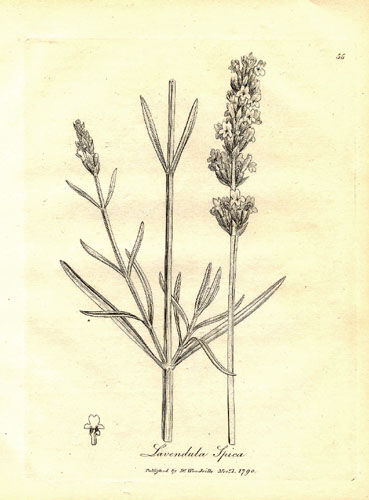
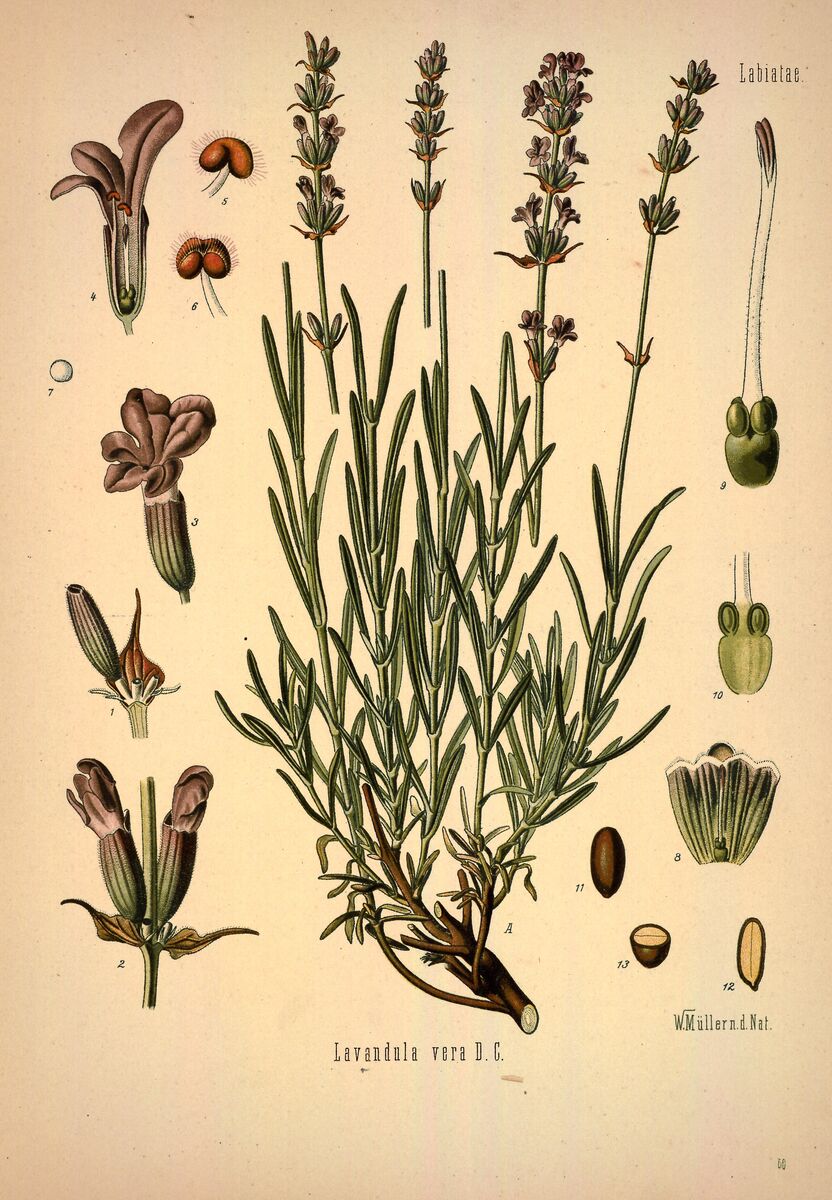
| Herbs | St. John's Wort, lavender, yarrow, mugwort, chamomile, vervain |
| Crystals | Sunstone, citrine, amber, tiger's eye, clear quartz |
| Element | Fire |
| Planet | Sun (at peak) |
| Intentions | Power, peak energy, protection, abundance, clarity, fulfillment |
| Fiber | Gold and bright yellow for solar power; white for the full light; orange for fire |
| Knot count | 9 (three times three; the peak of power) |
Traditional Workings
The midsummer fire: As with Beltane, fire is the center of Litha. The tradition of lighting fires at the solstice and leaping them for protection is consistent across Europe. At Litha, the fire is specifically solar: what you're working with is the energy of the sun at its maximum, and the fire is its terrestrial representative.
St. John's Wort harvest: St. John's Wort (Hypericum perforatum) flowers in June and its harvest traditionally falls around the feast of St. John. In folk medicine and magical practice, St. John's Wort is a solar herb with protective and cleansing properties. Harvesting it on or near the solstice, with intention, is working with an herb at the precise moment of its greatest power.
Solar water: Water left in the sun throughout the solstice day is charged with solar energy and can be used in cleansing, blessings, and protection work. Set a clear vessel of water where it will receive direct sunlight for as much of the longest day as possible. Use within a day or two.
Protection workings: Litha is one of the strongest times of year for protective magic, particularly protection that calls on the energy of the sun. See Protection for a full working. A witch's ladder (see The Witch's Ladder) made on the solstice from gold and white cord is appropriate for ongoing home protection through the year.
Notes for the Dye Pot
Litha is the most saturated solar palette: golden yellows, warm oranges, the bright clean gold that reads like direct sunlight. The Arachne colorways that carry this energy lean warm and luminous. Dyeing at Litha is an act of working with the day itself; in a tradition of lunar dyeing practices (see the Grimoire entry on dyeing by the moon), the opposite practice of solar dyeing has its own logic. The peak-day dye carries peak-day energy.
Closing
The wheel turns at Litha even as the day is longest. The solstice is the pivot, not the plateau. From here, the light begins its recession toward Mabon and Samhain, though summer is not ending yet, only the growth of light. Lughnasadh comes in August with the first harvest; what was planted and tended through the growing season begins to be gathered in.
Sources
- Bede, De Temporum Ratione, ch. 15 — the passage that gives liða its only real attestation, in Latin with translation.
- Stonehenge at the solstice — English Heritage on the monument’s solstitial alignment and the modern gathering.
- The summer solstice — Royal Museums Greenwich on what the sun is actually doing.
- Frazer, The Golden Bough — the midsummer fires, gathered region by region.
Continue reading: Lughnasadh · Beltane · Protection · Planetary Hours & Days