
Beltane
The Wheel / May 1
Beltane is fire and everything the word implies: heat, energy, union, the year in full surge. It falls opposite Samhain, and the two fire festivals together mark the year's great turning points: Samhain into the dark, Beltane into the light. Where Samhain opens toward the dead and the interior, Beltane opens toward the living world in its most insistent expression.
The festival is attested in Irish and Scottish sources from the medieval period and earlier. The Gaelic name Bealtaine may derive from Bel (possibly a Gaulish deity, though this etymology is contested) and teine (fire). What is clearly attested is that cattle were driven between two bonfires at Beltane for purification before being moved to their summer pastures. The fires at Beltane were lit from friction, without flint, and all other fires in the district were first extinguished, then relit from the Beltane fire. This was a communal flame-making, a new fire for a new season.
The maypole is one of the most recognized Beltane symbols and one of the most widespread, appearing across northern Europe in historical records from the 16th century onward. The erect pole with ribbons woven around it by the dancing celebrants is structurally identical to the axis mundi, the world-center pole found in shamanic traditions across cultures: a vertical connection between earth and sky around which the world turns. The weaving of ribbons is also, not incidentally, a fiber magic act, the community braiding intention into a central object together.
The green man, the association with the May King and Queen, the folk games played in the fields on May morning, are all expressions of the same energy: life insisting on itself at its most abundant and urgent.
Correspondences
| Date | May 1 |
| Colors | Red, green, gold, fire orange, white |
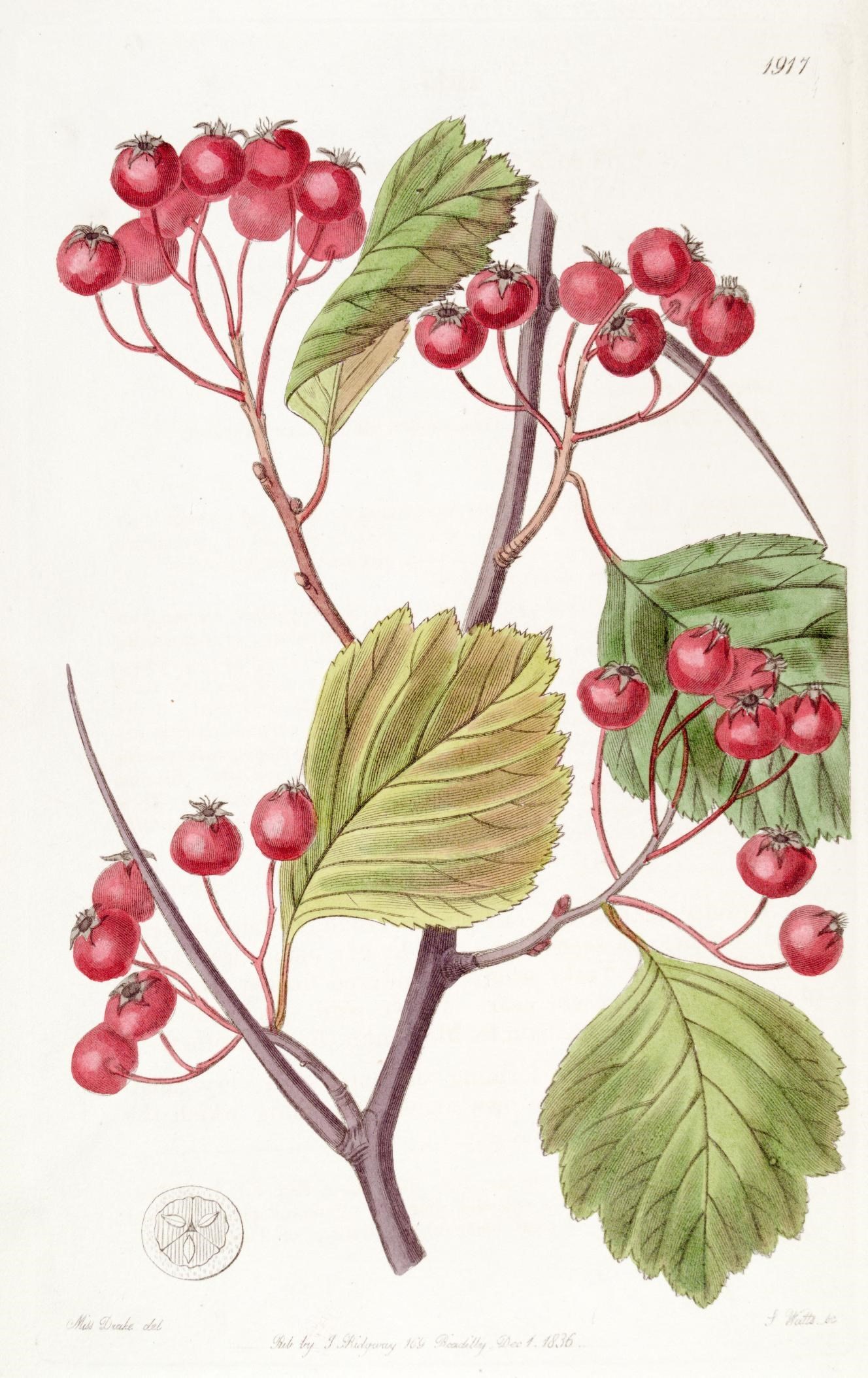
| Herbs | Hawthorn (may blossom), elderflower, meadowsweet, rose, clover, St. John's Wort |
| Crystals | Malachite, emerald, rose quartz, garnet, carnelian |
| Element | Fire / Earth |
| Planet | Venus, Sun |
| Intentions | Love, fertility, union, abundance, vitality, passion |
| Fiber | Red for passion and fire; green for the living earth; gold for the solar energy of the season |
| Knot count | 5 (love, fertility, the elements plus spirit) |
Traditional Workings
Lighting the Beltane fire: Whether a full bonfire is possible or not, fire is central to Beltane. Light a fire outside if you can; light a candle if you can't. At Beltane, jumping the fire is traditional: to leap the flames is to leave the old season behind and enter the new one with renewed intention.
Ribbon weaving: Making a personal version of the maypole practice is possible even without a pole. Braid ribbons in the Beltane colors with a partner or in a small group, holding intentions for what you want to grow or manifest through the summer season. The braiding is the working; the completed braid can be hung, buried, or kept.
The May morning dew: One of the most persistent Beltane folk traditions in England and Scotland involves washing the face in morning dew collected on May 1, understood to preserve youth and beauty. At its root this is a working with the gathered water of the liminal early morning of the year's most fertile date. The dew collected in this liminal moment carries the energy of the turning.
Love knot magic: Beltane is the most auspicious time for love magic. See Love & Desire for a complete working. A cord spell or witch's ladder (see The Nine-Knot Tradition) worked on Beltane night in Venus's hour is working with the strongest current of the year for this intention.
Rowan and red thread: The protective counterpart to the fires. Two rowan twigs bound at the crossing with red thread, made on May morning and hung where the animals or the household pass. See Rowan and Red Thread for the working and its history.
Notes for the Dye Pot
Beltane is full saturation: the reds that are truly red, not the bruised reds of autumn or the dark reds of Samhain but fire red, alive and present. Forest green, not the yellowed green of new growth but the full rich green of trees in late May. Gold for the warming sun. A Beltane colorway could be any one of these pushed to its most vivid expression, or could be layered in sections where they meet and blend. The dye pot at Beltane should feel like something that wants to be used. Closest in the current range is Blood Petal, though its oxblood depth reads more Samhain-red than Beltane fire; a true Beltane colorway is still a dye pot waiting to happen.
Closing
What is planted at Ostara is visibly growing at Beltane. The days are long; the light is generous. The year won't sustain this intensity much further; Litha is the peak, and then the arc turns. But here, at Beltane, the turning is still ahead and the fire is lit.
Sources
- The Schools’ Collection — May morning customs — the dew, the fires, the flowers — as recorded across Ireland in the 1930s.
- Tochmarc Emire — the early Irish text naming Beltaine among the four quarter days, at the CELT corpus.
- Frazer, The Golden Bough — the fire-festival chapters, which assemble the Scottish and Irish Beltane fire accounts.
Continue reading: Litha · Ostara · Love & Desire · Color Correspondences