
Ostara
The Wheel / March 20
The spring equinox is the moment of balance: day and night of equal length, a pivot point between the dark half of the year and the growing half. The name Ostara, or Ēostre, comes from Jacob Grimm's 1835 Deutsche Mythologie, where he proposed a Germanic spring goddess whose name gave rise to the word Easter in English. The evidence for an actual pre-Christian goddess named Ēostre is slim; Bede's 8th-century De Temporum Ratione mentions her name in the context of a spring month, but no other pre-Christian source corroborates her existence. Whether she was a goddess, a personification, or a folk custom projected backward into mythology by Christian scholars is genuinely unknown.
What is well-attested is that the spring equinox has been a significant ceremonial date across cultures and without obvious connection. The temples at Stonehenge and Newgrange are oriented to solstice and equinox events. The Mayan temple of El Castillo at Chichén Itzá produces a serpent shadow at the spring equinox. Nowruz, the Iranian new year, falls at the spring equinox and is one of the oldest continuously observed festivals in the world, with roots in Zoroastrian tradition and a current celebration calendar of over 300 million people. The impulse to mark the equal day was not an invention of any one tradition.
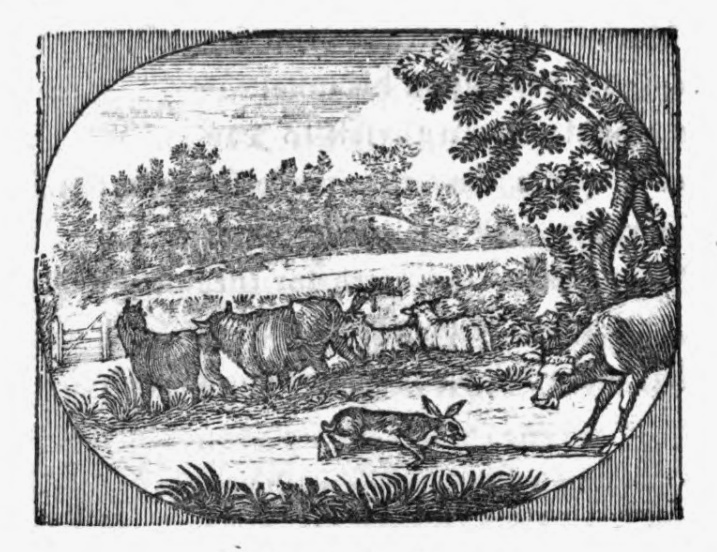
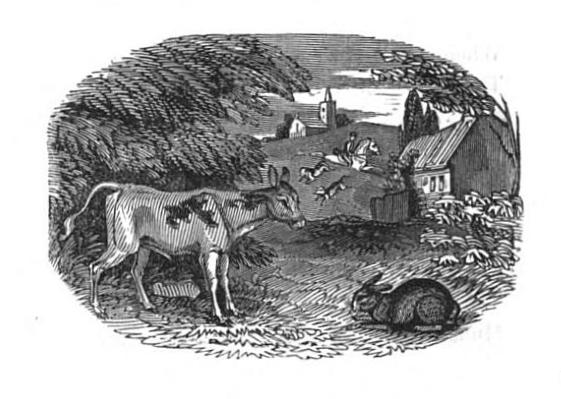
What Ostara carries, under any name, is the energy of the seed becoming visible. Imbolc was the first stirring; Ostara is the first shoot. Balance, not as stasis but as the point from which growth launches. The symbolism of eggs and hares, often dismissed as merely commercial Easter residue, is actually deeply appropriate to the season: both are associated with fertility, the sudden visible return of abundance after months of winter scarcity.
Correspondences
| Date | March 20 (varies 19-21) |
| Colors | Soft green, lavender, pale yellow, clear blue, pale pink |
| Herbs | Violet, jasmine, rose, lily, clover, honeysuckle |
| Crystals | Clear quartz, rose quartz, moonstone, aquamarine, green aventurine |
| Element | Air |
| Planet | Moon |
| Intentions | Renewal, balance, fertility, new projects, fresh beginnings, planting seeds (literal and metaphorical) |
| Fiber | Pale green for new growth; lavender for the first flowers; white for balance and clarity |
| Knot count | 1 (new beginning) or 3 |
Traditional Workings
Seed planting: Ostara is the appropriate time to plant seeds, both literally and as magical practice. Write an intention on a small piece of paper, place it at the bottom of a pot or planting hole, and plant a seed over it. As the plant grows, the intention grows. This is the most direct form of growth magic and works on its own literal logic.
Egg decoration: Decorating eggs is a practice with genuine ritual roots; the Pysanky tradition of Ukrainian egg decoration includes apotropaic and ritual significance that predates Christianity in that region. At Ostara, decorating eggs with symbols of intentions (sigils, runes, or simple images) and then burying them in the garden is a version of seed magic using a different form.
Altar renewal: Ostara is a good time to take apart your altar, clean the surface, and rebuild it with objects appropriate to the growing half of the year. Retire the heavier objects of the dark season (obsidian, dark candles) and bring in lighter colors, fresh flowers if you can get them, seeds, and tokens of things you want to grow.
Balance working: On a day of equal light and dark, workings for balance in your own life are particularly well-timed. A simple practice: light a black candle and a white candle. Acknowledge what you want to release (the black) and what you want to grow (the white). Let both burn down equally. The equality of the day supports the equality of the release and the growth.
Notes for the Dye Pot
Ostara is the transition into color. After Imbolc's paleness and Yule's darkness, Ostara introduces the softer brights: celadon, lavender, soft sage, a clear pale yellow that reads like sunlight through new leaves. The saturation is still gentle; nothing at Ostara is fully arrived. A hand-dyed yarn for Ostara might use very dilute dye in multiple colors, allowed to bleed gently into each other, producing a shifting watercolor effect rather than clear distinct sections.
Closing
The equinox passes quickly; you are already in the growing season. What you plant here, literally and in intention, is what you will be tending through Beltane and Litha. The next six months belong to the light. Ostara is the opening.
Sources
- Bede, De Temporum Ratione, ch. 15 — the whole of the pre-Christian evidence for Ēostre, in Latin with an English translation. It is one paragraph long.
- Grimm, Deutsche Mythologie — Stallybrass’s English translation, where the reconstruction of Ostara begins.
- Loughcrew — Heritage Ireland on Cairn T, whose chamber is lit at the equinoxes.
- Brú na Bóinne — the World Heritage listing for the Boyne valley passage tombs and their alignments.
Continue reading: Beltane · Imbolc · Elemental Correspondences · Color Correspondences