
The Poppet
The Practice / Poppet Making
The poppet is one of the oldest continuous magical practices in the human record, and also one of the most persistently misunderstood. The image most people carry, a straw doll stuck with pins, is a Hollywood invention with only the most distant relationship to the actual tradition. The actual tradition is more interesting, more varied, and considerably more nuanced.
A poppet is a small figure made to represent a person or, in some traditions, a wish or intention given form. It functions through sympathetic magic: the logic that like affects like, that what is done to the representation is done (in some sense, in some register) to the thing represented. The pin-stuck doll represents one very specific use of this logic, generally hostile. But the poppet tradition encompasses healing, protection, love work, and other intentions, and the figure itself can be made from wax, clay, cloth, grain, fiber, or almost any material.
The Ancient Record
The oldest surviving poppets are from ancient Egypt, where wax and clay figurines were used in both cursing and ritual contexts. The Coffin Texts and later magical papyri document the use of figures in binding and cursing (execration texts), and archaeologists have recovered figurines from various sites that appear to have been used in this way, often pierced or bound. But Egyptian magical figurines were also used in protective and healing contexts; the same technique that bound an enemy could bind an illness.
Greek and Roman traditions carried similar practices. The defixio tradition, the lead curse tablet tradition, sometimes incorporated figurines; but figurines were also used in healing shrines and in domestic protective magic. Wax figures appear in Roman poetry and legal texts, usually in the context of love magic or cursing, which tells us both that the practice was recognized and that it was controversial enough to warrant legal attention.
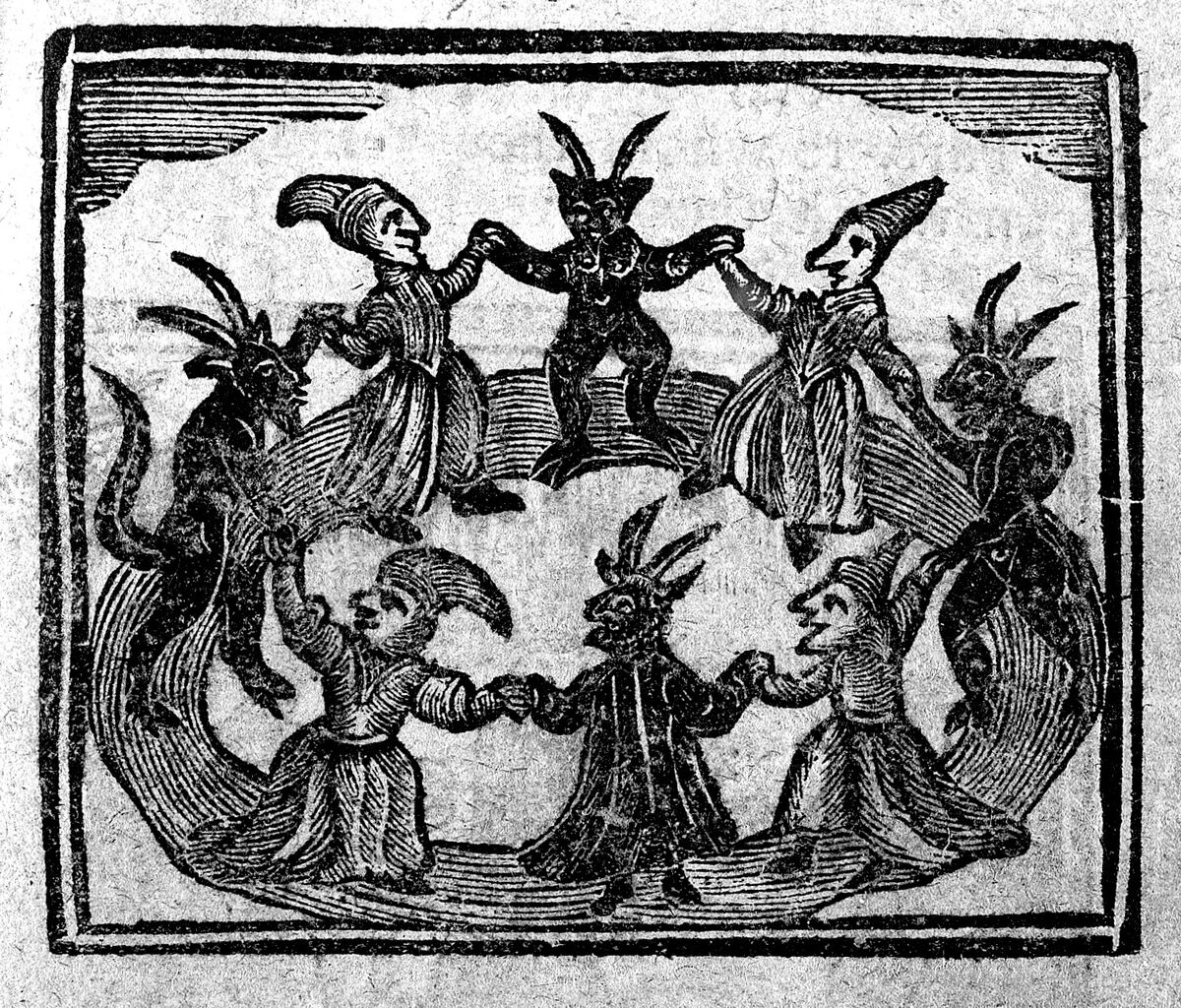
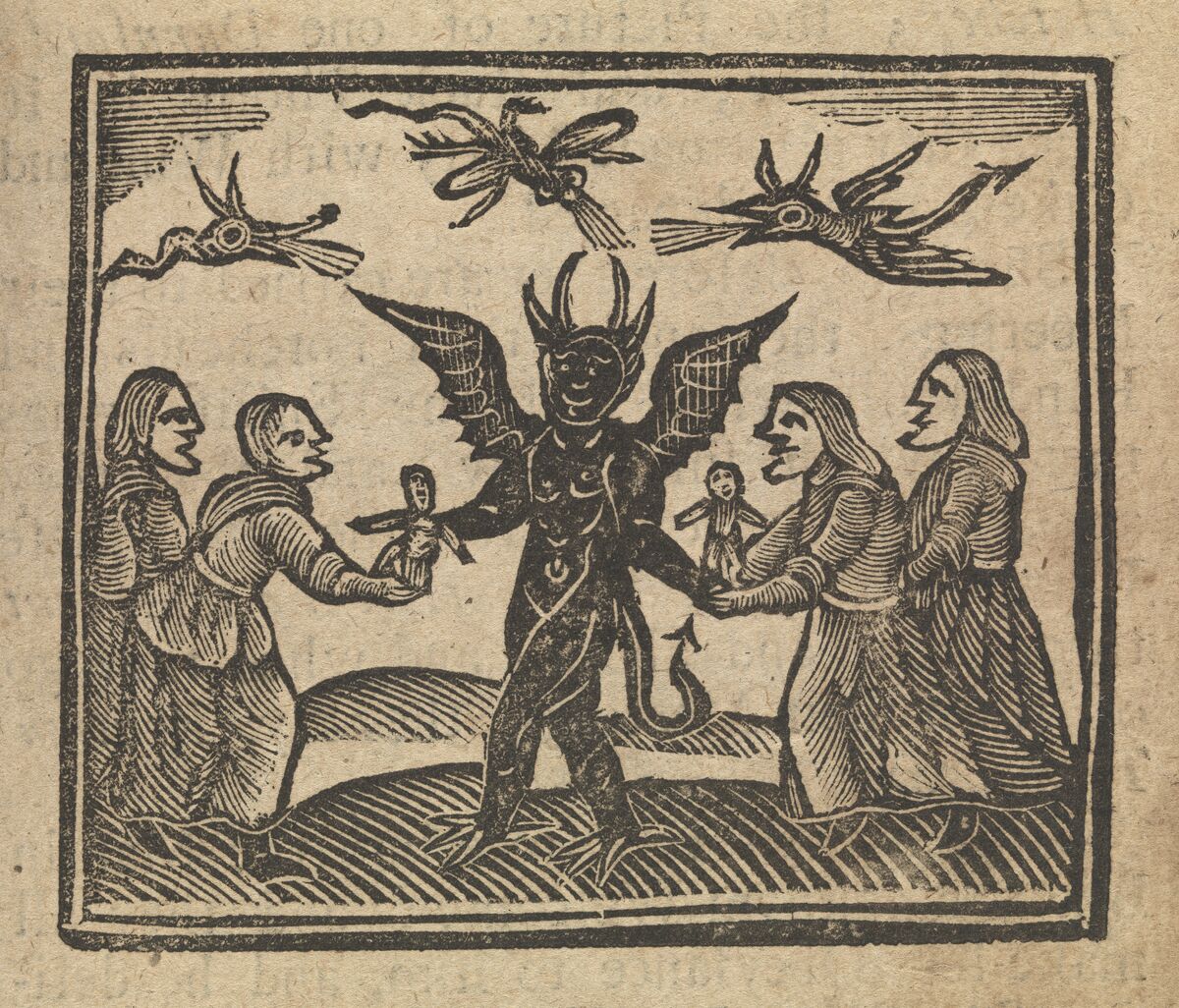
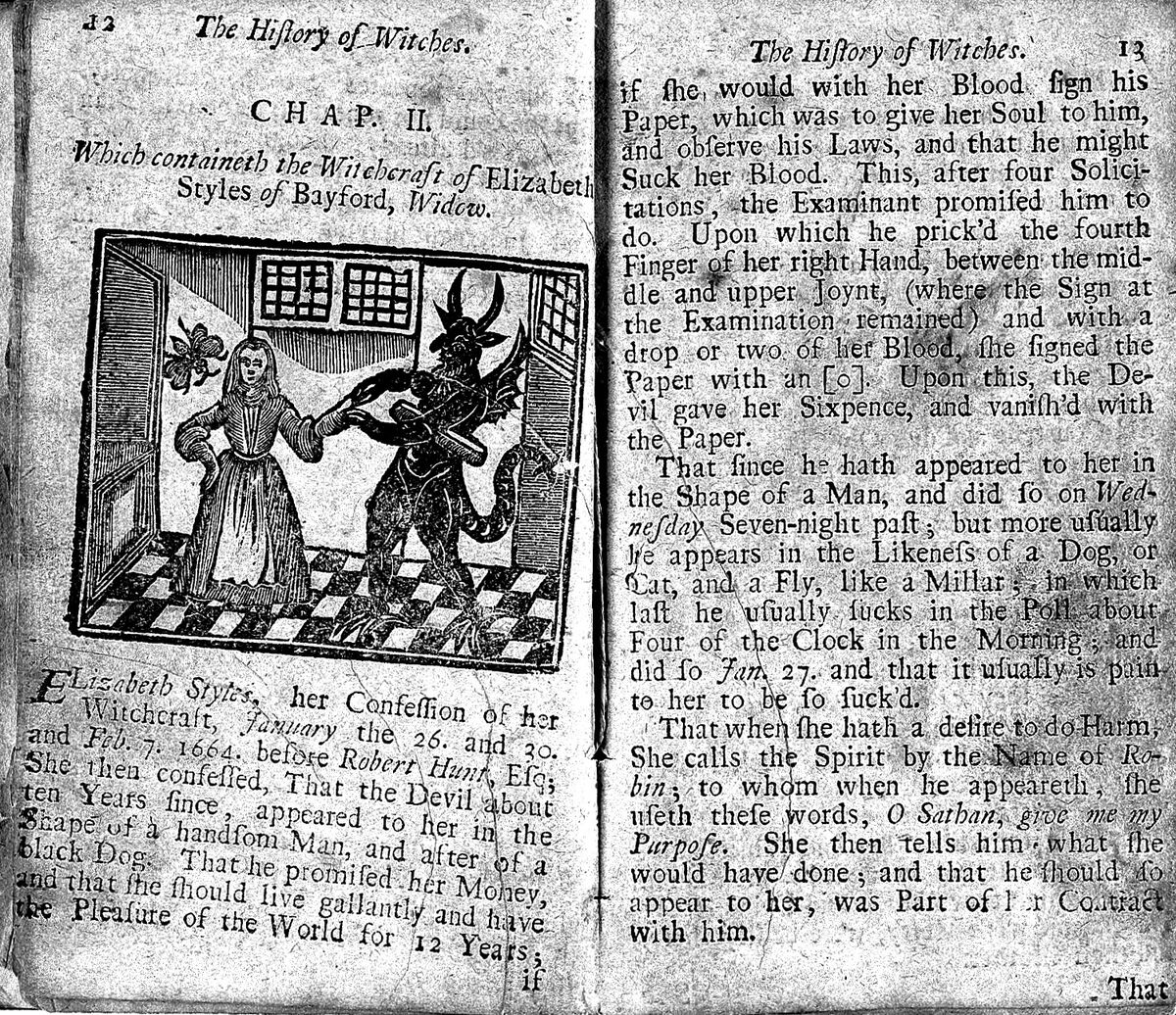
The medieval European tradition inherited these practices through a long chain of transmission that included both learned magical texts and folk practice. The Malleus Maleficarum (1487) treats image magic as a significant category of witchcraft, focusing on malefic uses, but the same period's household records and charm manuscripts include poppets for healing and protection.
The Appalachian and Folk American Tradition
In Appalachian folk magic, as documented by researchers including Maud Grieve and, more recently, practitioners like Starr Casas, the poppet (sometimes called a conjure doll or baby doll) is made for a variety of purposes: healing illness, protecting the home, assisting in matters of love, and occasionally causing harm to enemies. The construction typically uses cloth, stuffing, and objects associated with the target, most traditionally something of the person's own, such as hair, nail clippings, or a piece of their clothing.
The "something of the person" requirement is the key to sympathetic magic's internal logic. The point of correspondence isn't just visual resemblance; it's actual material connection. A poppet stuffed with someone's hair isn't using the hair as a symbol of the person; the hair is the person, in a magical-material sense. The poppet becomes a locus of connection to the person it represents.
Hoodoo and the New Orleans Tradition
The voodoo doll as a specifically New Orleans/Louisiana tradition is largely a tourist mythology, disconnected from actual Haitian Vodou practice. What does exist in New Orleans hoodoo is a tradition of conjure dolls and mojo bags that draws on West African, European, and indigenous American influences, as in much of Southern folk magic tradition.
Actual Haitian Vodou does incorporate the use of dolls in certain ceremonial contexts, but not in the Hollywood "stick pins in it to hurt someone" sense. The use of dolls in Vodou is ceremonial and typically involves the lwa (spirits), not simple sympathetic correspondence.
Understanding these distinctions matters both for historical accuracy and for practice: the traditions are different, the cosmologies are different, and the mechanics work differently. Taking from a living tradition with specific cultural roots requires at minimum understanding what you're drawing on.
The Fiber Poppet
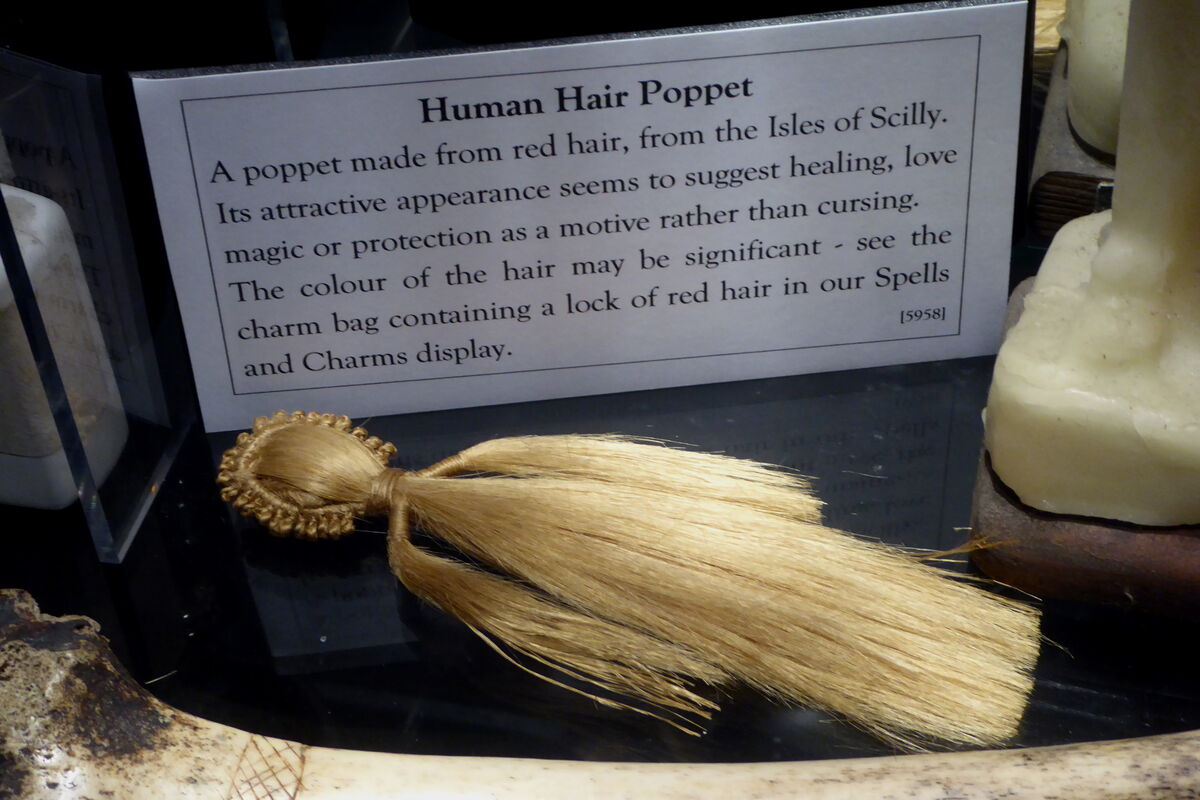
The fiber poppet, made from yarn or fiber scraps, is a particularly textile-friendly form of this practice and one with significant precedent in folk tradition. Corn dollies (figures woven from the last sheaf of grain at harvest) are a related tradition; corn dollies made from grain fiber at the harvest were kept through the winter and plowed back into the first furrow in spring, a figure holding the spirit of the harvest through the dark season.
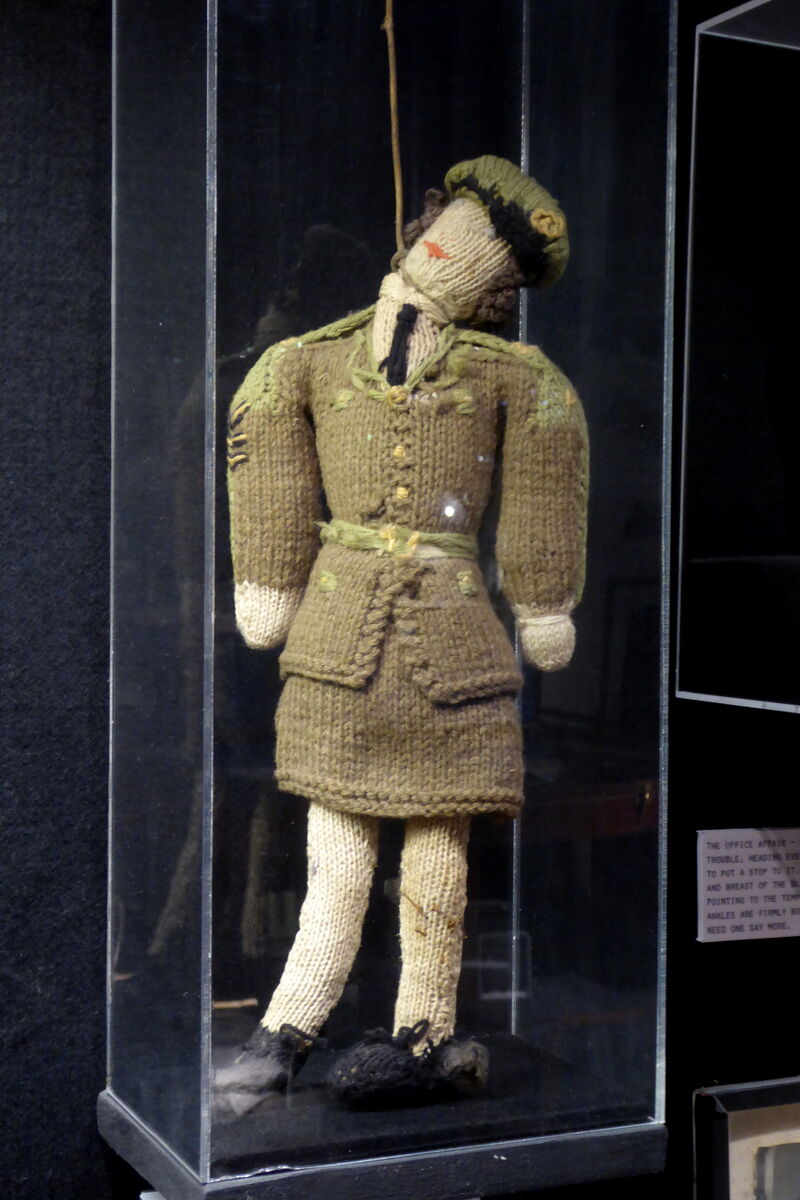
A fiber poppet is typically a small rough figure: a tube of knitting or a knotted bundle of yarn that suggests a human body. The figure's correspondence to a specific person or intention is established through the stuffing and through the maker's intention at the time of construction. Fill a healing poppet with lavender, chamomile, and blue thread. Fill a protection poppet with black tourmaline chips, rowan berries, and iron-heavy red wool. Fill a love poppet with rose petals, rose quartz chips, and red silk thread.
Construction: A basic fiber poppet can be made by cutting a rough body shape from felt or dense fabric and stitching it together, leaving a small opening for stuffing. Alternatively, a tube of knitting in the round, bound off at both ends, can serve as the body; limbs are added as small tubes or left implied. The figure doesn't need to be detailed. The important thing is that it's clearly human in shape and that it's made with the intention clearly held throughout.
Activation: A poppet made to represent a specific person is often activated by connecting it to that person, either through material correspondence (their hair, clothing fabric, a photograph) or through ritual naming: speaking the person's name over the figure and directing the poppet to become the representation of that person. Once activated, what the poppet experiences symbolically is understood to affect the person.
Care and Disposal: A poppet made for healing or protection might be kept as long as its function is needed, then properly retired, burned or buried, with thanks and intention to close the working. A poppet made for a specific magical outcome might be disposed of after the outcome manifests, releasing the working.
For more on the materials and correspondences appropriate to different intentions, see Crystal & Stone Correspondences, Herb & Plant Correspondences, and Color Correspondences.
Sources
- The Museum of Witchcraft and Magic — surviving poppets and image-magic figures, catalogued and photographed, Boscastle.
- The Cornell Witchcraft Collection — the trial literature in facsimile, the Malleus Maleficarum among it.
- Wellcome Collection — the medical and magical material culture that healing figures belong to.
Continue reading: Thread as Intention · The Witch's Ladder · Herb & Plant Correspondences