
Mabon
The Wheel / September 22
Mabon is the autumn equinox, the second harvest festival, and the counterpart to Ostara: again the day and night are equal, but now the light is receding rather than growing. What was balanced at Ostara in a spirit of growth is balanced at Mabon in a spirit of completion. The harvest is being brought in. The stores are being laid by. The dark half of the year is a week ahead.
The name Mabon is modern. It was introduced into the sabbat calendar by Aidan Kelly in the 1970s, drawn from Mabon ap Modron, a figure from Welsh mythology (the Divine Son of the Divine Mother). The historical evidence for a specific pre-Christian festival at the autumn equinox, distinct from the broader harvest traditions of the season, is weaker than for several other sabbats. This doesn't make the observance less meaningful; it means its current form is a 20th-century construction rather than a continuous tradition. That's an honest thing to know.
What is well-attested is the harvest festival tradition across northern Europe and Britain in late September and early October, when the last grain was cut, the harvest home was celebrated, and the community gathered to acknowledge the work of the growing season. The harvest supper, the gleaning of the fields after the main harvest, the Harvest Moon (the full moon closest to the equinox), and the preparation of stores for winter are all historically documented practices that cluster around this turning.
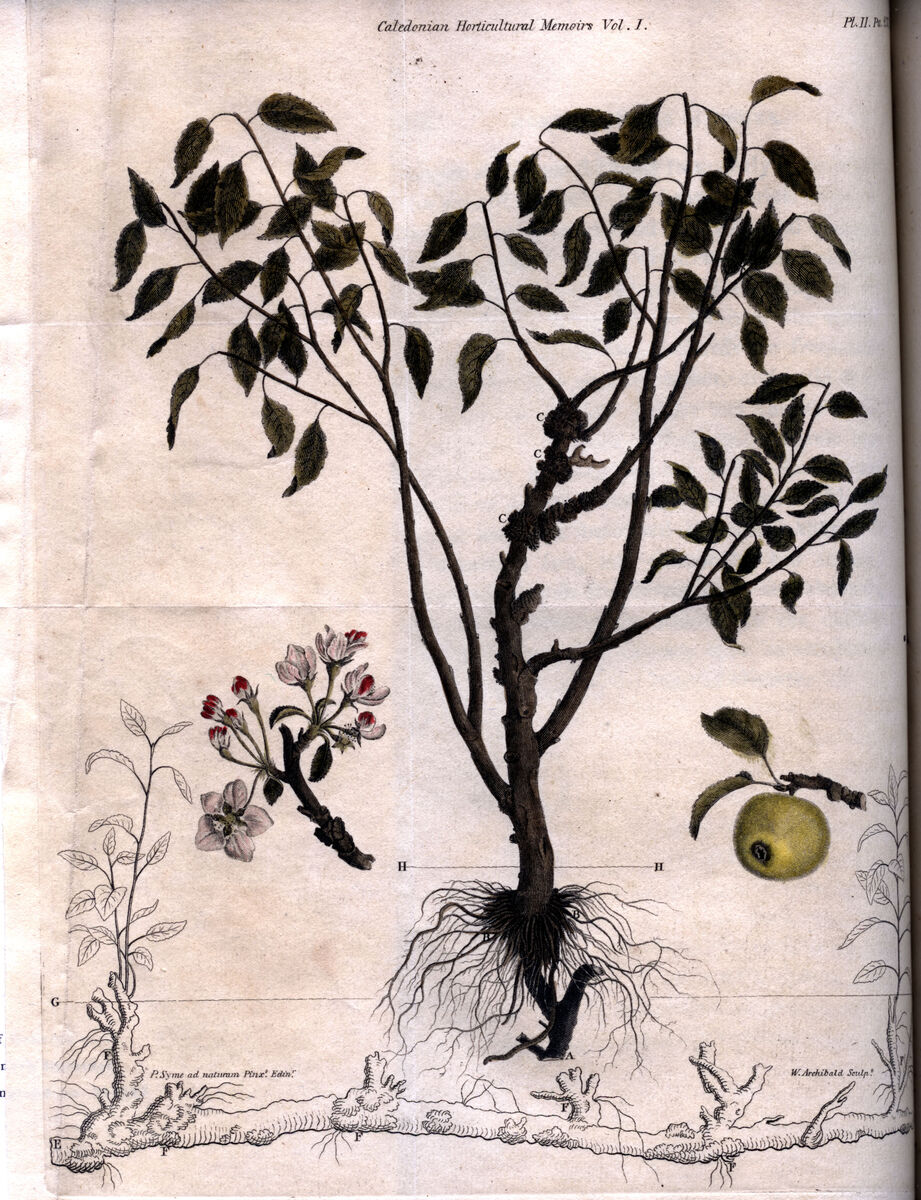
Apple harvest belongs particularly to Mabon's season: the apples are ripe in September and October, and apples appear throughout the mythology of the otherworld, from Avalon (the isle of apples) to the apples of the Hesperides to the apple of Idunn that keeps the Norse gods young. The apple's five-pointed core star makes it a natural symbol for magic; its sweetness in the darkening season makes it appropriate to a festival of gratitude.
Correspondences
| Date | September 22 (varies 21-24) |
| Colors | Deep red, copper, bronze, brown, dark orange, burgundy |
| Herbs | Apple, blackberry, sage, rosemary, oak, hazel, ivy |
| Crystals | Sapphire, lapis lazuli, carnelian, smoky quartz, amber |
| Element | Earth / Water |
| Planet | Sun (declining), Mercury |
| Intentions | Second harvest, gratitude, completion, balance, releasing what didn't work, preparing for the dark |
| Fiber | Deep autumn reds and coppers; brown for the harvested earth; burgundy for wine and the pressed grape |
| Knot count | 6 (balance and completion, the closed cycle) |
Traditional Workings
The harvest meal: Cooking and sharing a meal that features the produce of the autumn harvest, root vegetables, apples, grain, autumn squash, is the most grounded Mabon practice. Eating with intention, acknowledging the labor and the land that produced the food, is harvest magic in its simplest form.
Autumn altar: Take down the summer altar. Build the autumn one. Deep reds and golds, fallen leaves pressed or dried, apples (whole or cut to show the star), nuts and seeds. The altar at Mabon looks like the season feels: full and darkening simultaneously.
Balance accounting: As at Ostara, the equal day offers a time for balance work. At Mabon, the accounting is retrospective: what grew, what failed, what you're grateful for, what you're releasing. Before the wheel turns into the dark at Samhain, make the accounting explicit.
Apple divination: Cutting an apple horizontally to reveal the five-pointed star at the core is a simple Mabon divination. Assign each point of the star a question, or simply look at the star and ask what it shows you. Traditional apple divination in Britain and Ireland also involved reading apple peel thrown over the shoulder, which would form the initial of a future partner. The form matters less than the attention.
Notes for the Dye Pot
Mabon's palette is the richest and most complex on the wheel: deep garnet reds, copper and bronze tones, the brown of oak bark after rain, burgundy, the dark orange of turning leaves, all in a range that is obviously autumn but not yet the bone-and-black of Samhain. The dye pot at Mabon should produce something that looks warm even in its deepest tones. Madder produces the red-brown-copper range beautifully; logwood adds depth and a touch of purple. The Arachne seasonal palette here runs toward Blood Petal and the darker end of the Depths range.
Closing
The wheel completes its second equilibrium at Mabon and continues turning into the dark. Samhain is five weeks ahead. What the year produced is now in the stores; what it didn't produce is now acknowledged and released. The dark season is not a failure; it is the other half of the cycle, necessary, generative, and as old as the sun.
Sources
- The Museum of English Rural Life — harvest home and gleaning in the documented agricultural record, Reading.
- The Schools’ Collection — late-September harvest custom in the words of the people who kept it.
- Frazer, The Golden Bough — the harvest-festival material the modern observance draws on, whatever it is now called.
Continue reading: Samhain · Lughnasadh · The Wheel of the Year · Color Correspondences